ANITA BONNARENS
Documentary Photographer & Certified Grant Writer for Non-Profits.
Restoring visibility and agency through ethical and participatory practices.
The Gift That Shaped My Storytelling
The story behind the Mystery boy.
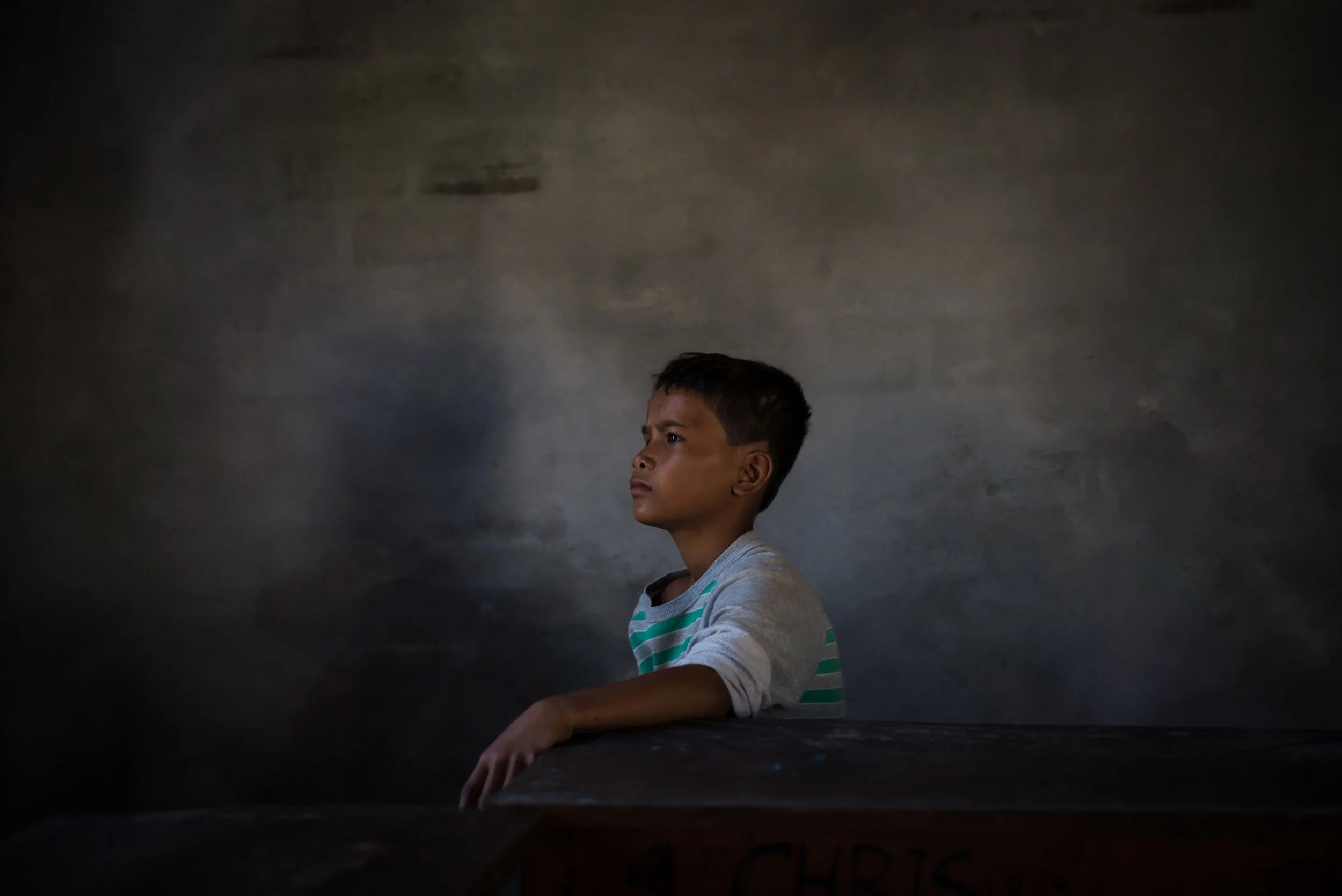
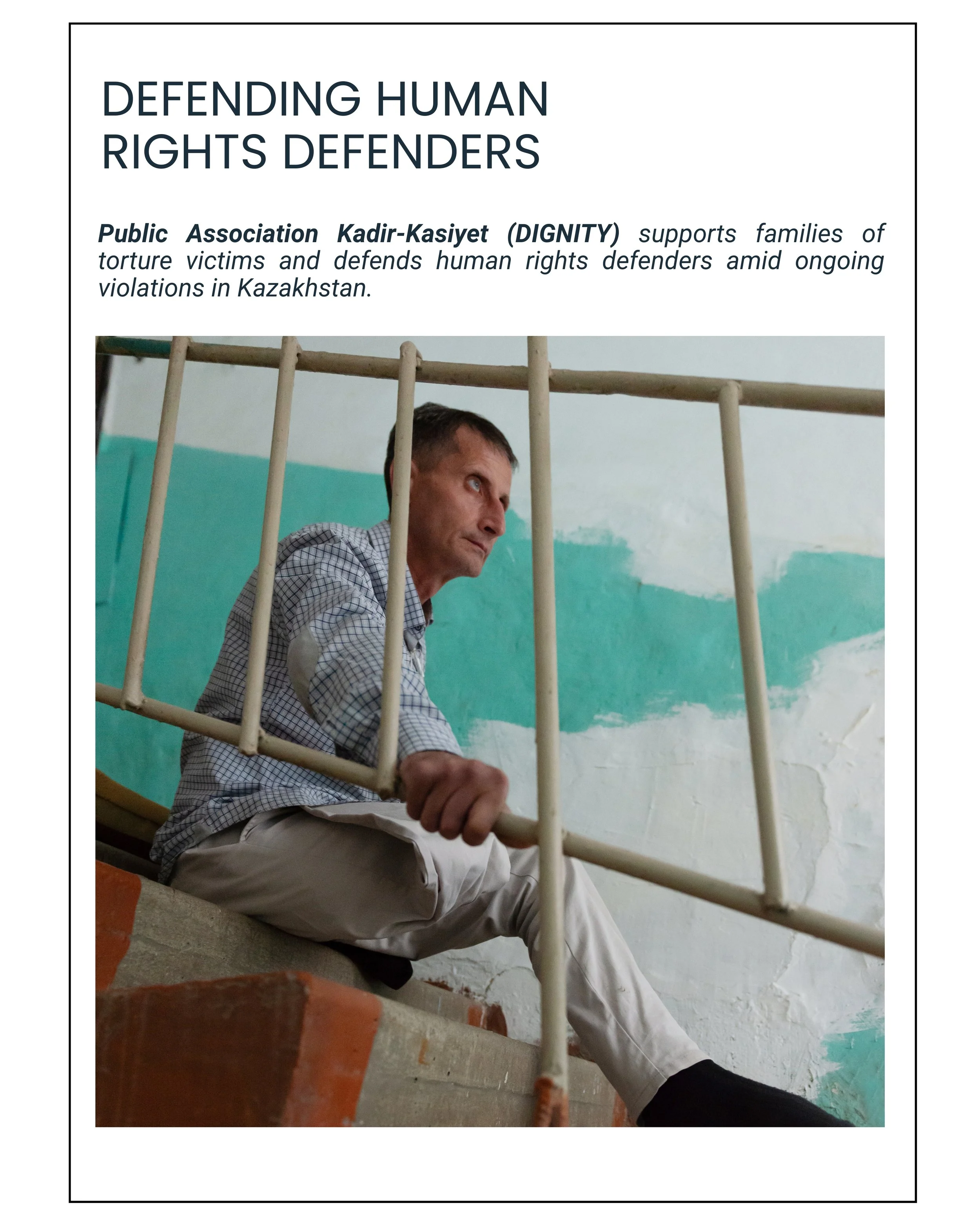
In 2016, I was travelling with Photographers Without Borders’ Storytelling School in Cambodia. While visiting the local Angkor Tree School, I stepped away from the group to photograph an empty classroom. As I adjusted my camera settings, I looked up, and there he was. A young boy, sitting quietly at a wooden desk, his face turned toward the soft morning light filtering through a half-open window. His chin lifted, his left arm and hand resting beside him. I didn’t move. I raised my camera and took a single frame. I glanced down at my screen, and when I looked up again, he was gone. I never saw or heard him enter the room, nor did I see him leave it. Later, when I showed the photo to the local staff, they told me he wasn’t a student of the school. Perhaps the son of a construction worker, they said. They also told me his right eye was blind. Why he came, why he posed himself in that light, I will never know. His story remains his own.
Yet in the silence he left behind, a quiet paradox revealed itself: though his story stayed untold, it gifted me one of my own. The story behind this image became the story I live today as a visual storyteller. This single frame was a quiet offering of trust, teaching me that meaningful images aren’t chased or forced but unfold when you show up with presence, openness, and care. This is how I want to carry my camera: With respect for the people I meet. With openness to what is naturally shared. With trust in moments unfolding. And with the understanding that sometimes, one true image is enough.
It’s this same mindful approach I bring to every collaboration with NGOs and community organizations—one grounded in respect for privacy and dignity, collaborative image-making, and empowering rather than extractive representation. Everything is consent-led and trauma-informed, so participants feel safe and in control, allowing the visuals to remain honest, human-centred, and true to both the story and the cause.